


 ES
ES CA
CA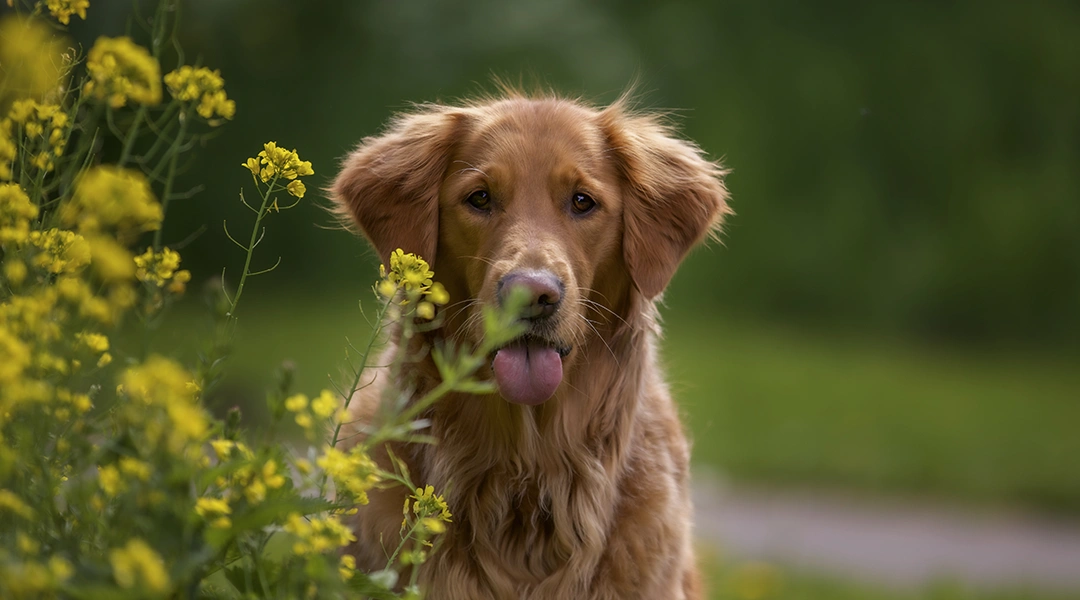
Spring is one of the most pleasant seasons to enjoy with your dog. The days are getting longer, the weather invites you to spend more time outdoors, and many dogs are more active after winter. However, this change of season also brings with it some situations that should be paid attention to: more parasites appear, shedding begins and certain risks increase in parks and green areas.
Adapting some care to this time of year can make a big difference in your dog’s health and well-being. Here are the most important aspects to take into account during spring.
Protect your dog from parasites and bites
With rising temperatures, many external parasites become especially active again. During spring it is more common to find fleas, ticks and mosquitoes, especially in parks, areas with vegetation or areas near the countryside.
These parasites are not only annoying to the dog, but can also transmit diseases or cause skin irritations. That’s why it’s essential to make sure your dog has their deworming protection up to date before the most active season begins.
In addition to using the appropriate antiparasitic (pipettes, collars or tablets as the case may be), it is advisable to:
- Check the coat after walks in areas with tall grass.
- Pay attention to areas such as ears, neck, on the paws or between the toes.
- Consult with your veterinarian about the most appropriate prevention method for your dog.
Regular veterinary check-ups can prevent problems before they appear. If you have doubts about the most appropriate protection for your dog, you can consult UpDog’s veterinary services, where they will help you establish a preventive plan adapted to their lifestyle.
Shedding: a natural change that requires care
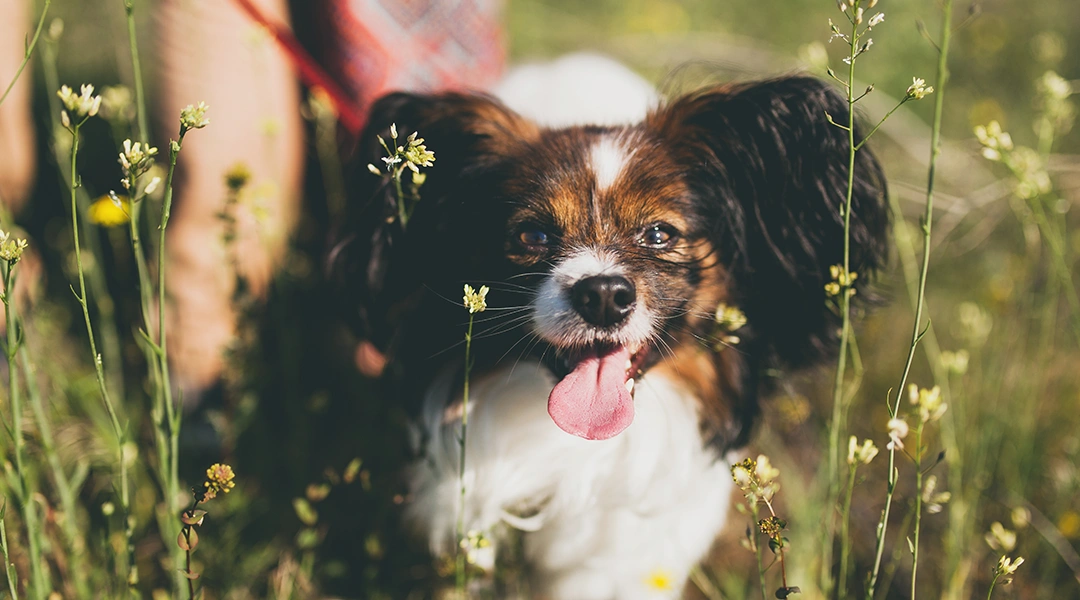
One of the most visible changes of spring is shedding. Many dogs renew their coat to adapt to warmer temperatures, which causes them to lose more hair than usual for several weeks.
Although it is a completely natural process, if it is not managed well it can cause some problems: accumulation of dead hair, the appearance of knots or even skin irritations if the coat is not kept clean.
To help your dog during this stage, it is advisable to:
- Brush it more frequently, especially if it has long or double-layered hair.
- Use brushes suitable for their coat type.
- Maintain good hygiene with periodic baths.
In many cases, a professional dog grooming session helps to remove much of the dead hair and keep the coat in better condition during shedding season. You can learn more about this service on UpDog’s dog grooming page, where they work with products adapted to each type of skin and coat.
More outdoor activity and exercise
With the arrival of good weather, it is common for walks and outdoor activities to increase. Many dogs regain energy after winter and especially enjoy this time of year.
This increase in activity is positive for their physical and mental well-being, but it is advisable to do it progressively if during the previous months the routine has been calmer.
Some useful recommendations:
- Gradually increase the duration of walks.
- Avoid the hottest hours on the sunniest days.
- Always carry water on long walks or excursions.
In addition, spring is an ideal time to promote socialization with other dogs and stimulate them mentally with new environments and experiences.
For dogs with a lot of energy or families with little time during the day, dog daycare services can be a good option to keep them active, socialized, and stimulated while their owners work.
Beware of some typical spring risks
Spring also brings some specific risks for dogs, especially in parks or natural areas. One of the best known in Spain is the pine processionary caterpillar.
These caterpillars appear between late winter and spring, and their contact can cause severe reactions in dogs. If a dog smells them or touches them with their muzzle or tongue, they can suffer from intense inflammation, irritation or even necrosis in the tissues.
To avoid problems, it is advisable to:
- Avoid areas with pine trees where processionaries have been seen.
- Keep the dog monitored during walks.
- Go to the vet quickly if the dog has swelling in the muzzle or excessive salivation.
In addition to the processionary, it is also advisable to be careful with some ornamental plants or gardening products that can be toxic if the dog ingests them.
Red Flags You Shouldn’t Ignore
During the spring, some changes in the dog’s behavior or skin may indicate that something is not quite right.
It is advisable to pay attention to signs such as:
- Constant itching or excessive scratching.
- Frequent licking of paws or specific areas of the body.
- Appearance of irritations or small wounds on the skin.
- Excessive tiredness after walks or moderate activity.
If you detect any of these signs, it is best to consult a professional to identify the cause as soon as possible
Enjoy spring with your dog
Spring is undoubtedly one of the best times of the year to enjoy more time outdoors with your dog. With some basic care – protection against parasites, good coat maintenance and attention to some environmental risks – it is possible to prevent most of the problems associated with this season.
Maintaining regular veterinary check-ups, taking care of their hygiene, and offering them enough physical activity will help your dog stay healthy, active, and happy throughout the season. With a routine adapted to this time of year, spring can become the perfect time to reinforce the well-being and quality of life of your partner.
