


 ES
ES CA
CA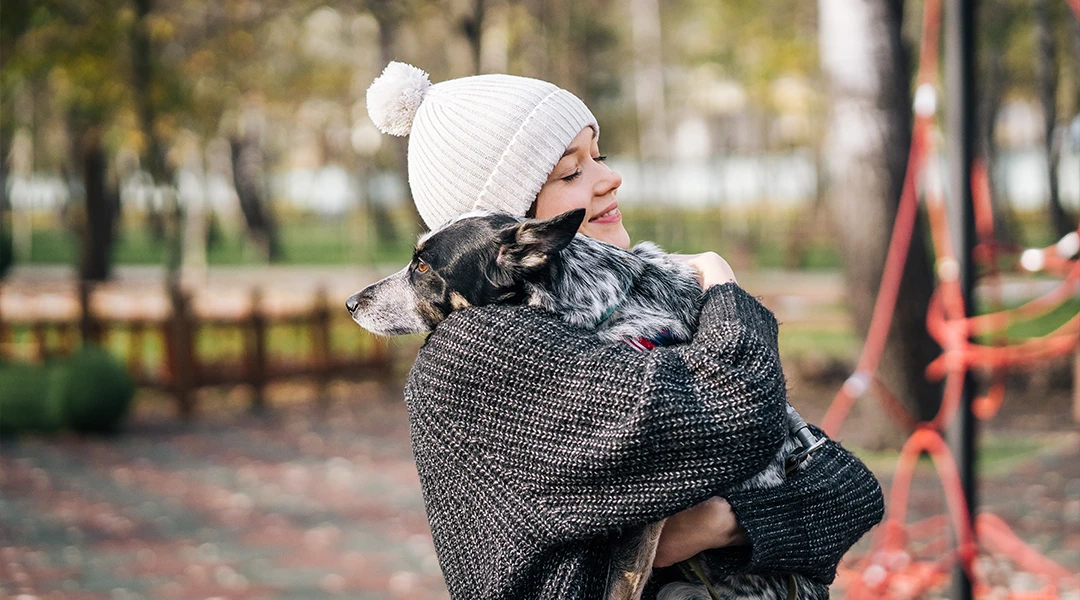
The cold does not affect all dogs equally, but it does change their needs. Although many guardians think that winter does not require major adjustments, the reality is that this time of year influences their rest, their skin, their joints and their daily routine.
If you live with a dog and want to go one step further in its well-being, these are the key care that makes the difference during the winter.
Not all dogs feel the cold the same
Cold tolerance depends on several factors: size, hair type, age and state of health.
Small dogs, short-haired dogs, puppies, and seniors tend to lose body heat faster. Dogs with joint problems or chronic diseases can also suffer more from low temperatures.
This does not mean that you have to overprotect, but rather adapt care to each dog, observing its behavior and signals.
Coat yes or no? The key is in the context
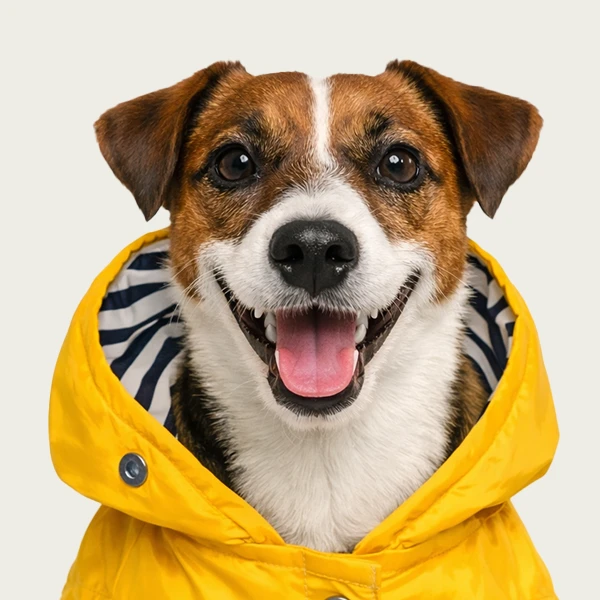
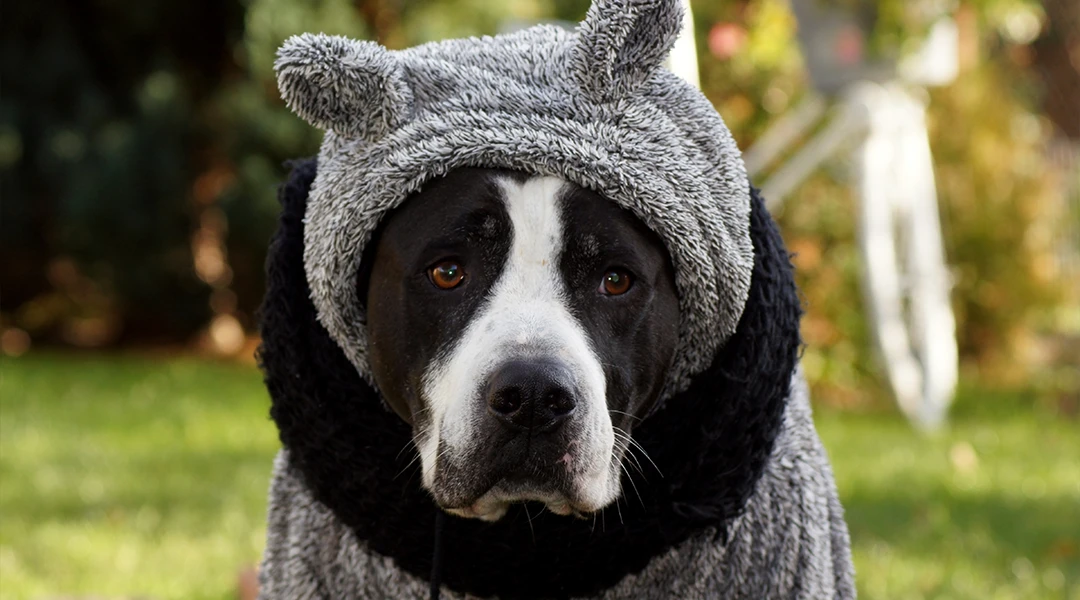
The coat is not a fashion, it is a useful tool in certain cases.
It may be recommended if your dog:
- Trembles during walks
- Walk hunched or try to go home
- Has little or small hair
- Are older or have joint problems.
On the other hand, many large or double-coated dogs regulate their body temperature well and do not need it.
The basic rule is simple: if the cold affects your well-being, the coat helps.
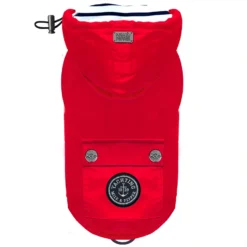
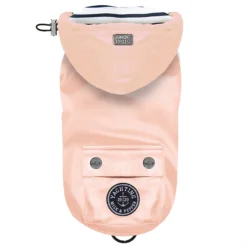
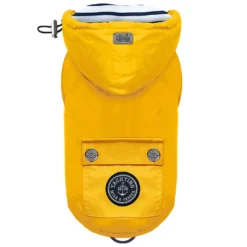
At UpDog we have coats designed for dogs, functional and comfortable, which allow you to protect them from the cold without restricting their movement. Choosing the right coat, with the right fit, makes all the difference during winter walks.
Winter walks: quality before quantity
In winter, walks are usually shorter, but they should not be less enriching. Adjusting schedules and maintaining routines helps the dog to remain active and stimulated.
After the walk, it is advisable to:
- Dry paws and abdomen thoroughly
- Check pads
- Clean traces of moisture or dirt.
In dogs that spend many hours away from home, services such as dog daycare help to maintain a stable routine even in the cold months, combining activity, rest and socialization in a controlled environment.
Be careful with paws and skin
Cold, rain, and wet asphalt can directly affect the pads.
Cracks, dryness, or small wounds are more common in winter.
In addition, heating and temperature changes can cause:
- Drier skin
- Increased sensitivity
- Increased flaking.
Maintaining a proper hygiene routine and frequently checking your skin and paws helps prevent problems. Dog grooming, especially in winter, helps to keep the skin clean, the coat healthy and to detect any changes in time.
In some cases, a visit to the veterinarian specializing in Dermatology is also key to assess the condition of the skin, adjust specific care and prevent small alterations from becoming major problems. Professional monitoring allows routines and treatments to be adapted to the real needs of each dog during the cold months.
Rest also changes in winter
During the cold months, dogs tend to sleep more. It’s normal.
Of course, their rest area must be:
- Away from drafts
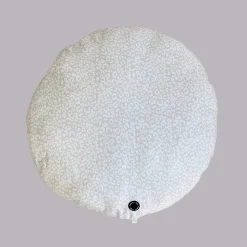
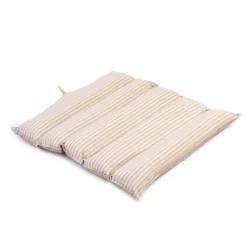
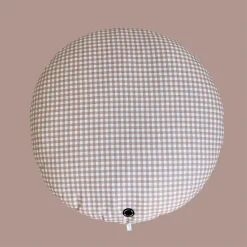
- With a suitable bed that insulates from the cold.
A good night’s sleep is key to the immune system and overall well-being, especially in older dogs.

Joints and health: extra attention in senior dogs
The cold can intensify joint discomfort, stiffness or lack of mobility, especially in senior dogs or those with previous pathologies.
Changes in the way you walk, less desire to move or difficulty getting up are signs to pay attention to.
In these cases, a veterinary check-up or professional follow-up can help prevent further discomfort and adapt routines, exercise and care to the time of year.
Winter is also well-being
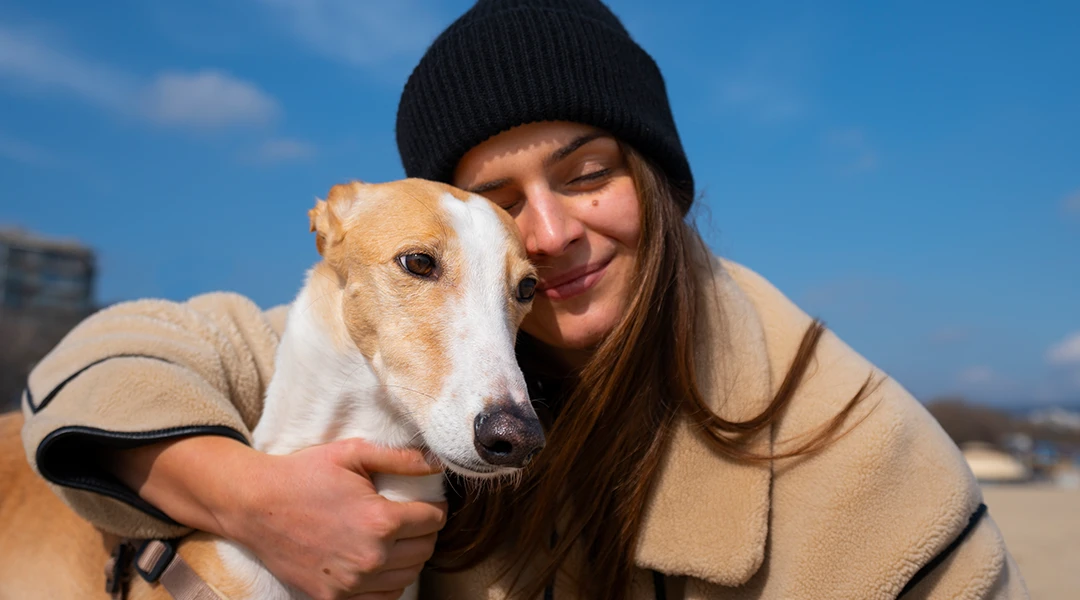
Taking care of your dog in winter does not mean limiting his life, but understanding how his body and environment changes. Adjusting small details — walks, rest, skin, activity — has a huge impact on your quality of life.
With observation, common sense, and professional support when needed, winter can be a calm, active, and healthy time for your dog.
