




 ES
ES CA
CA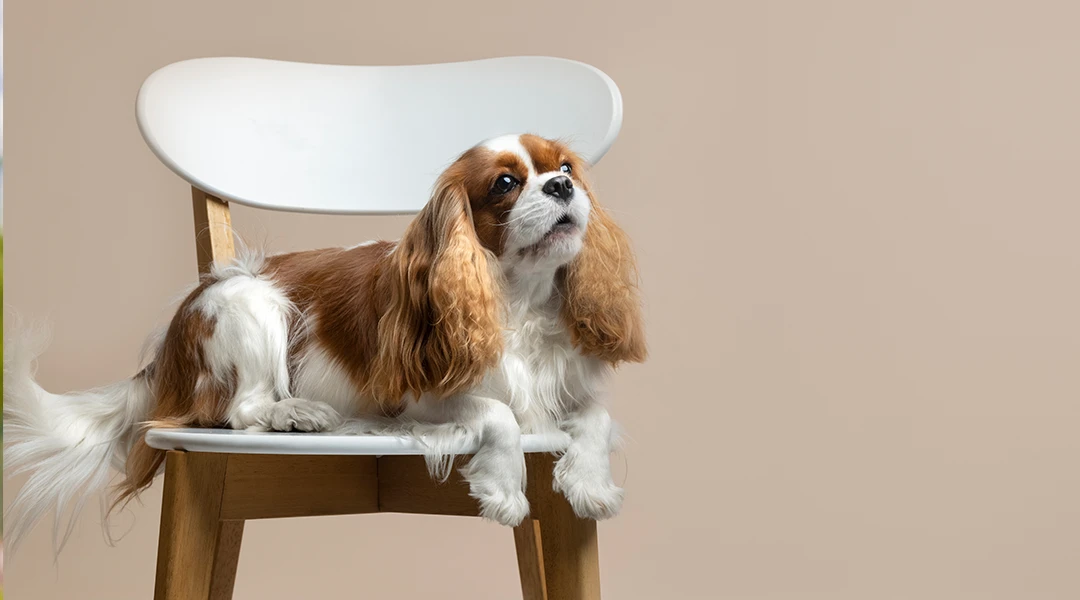
The Cavalier King Charles Spaniel is one of the most beloved breeds in the world, not only because of its elegant looks, but because of its exceptional character. This small companion dog stands out for its ability to adapt, its sweetness and the special bond it creates with people. On the occasion of Cavalier Day, which is celebrated on May 30, it is the perfect time to learn in depth about everything that makes this breed unique.
History of the Cavalier King Charles Spaniel
The history of the Cavalier King Charles Spaniel is deeply linked to the British aristocracy. During the seventeenth and eighteenth centuries, these small spaniels were common in royal courts, especially under the reign of Charles II of England, who had a genuine devotion to these dogs. In fact, it is said that he was rarely seen without several of them around him, which contributed greatly to the popularity of the breed.
With the passage of time, and especially during the nineteenth century, the appearance of these dogs changed due to crosses with other breeds with shorter muzzles. However, at the beginning of the twentieth century, a group of British breeders decided to recover the original appearance that appeared in the old paintings, with a more elongated muzzle and a more natural expression. Thanks to this effort, the modern Cavalier King Charles Spaniel was born, clearly differentiating itself from the King Charles Spaniel.
As for Cavalier Day, which is celebrated on May 30, this date is symbolically associated with the figure of King Charles II, a great lover of the breed. Although it is not an official historical anniversary, it has been consolidated among breeders and lovers of the Cavalier as a day to pay tribute to its legacy and its role as a companion dog over the centuries.
Physical characteristics of the Cavalier
The Cavalier King Charles Spaniel is a small, elegant and well-proportioned dog, with a weight that usually ranges between 5 and 8 kilos. Its compact size, coupled with its refined appearance, makes it one of the most popular breeds in both urban environments and family homes.
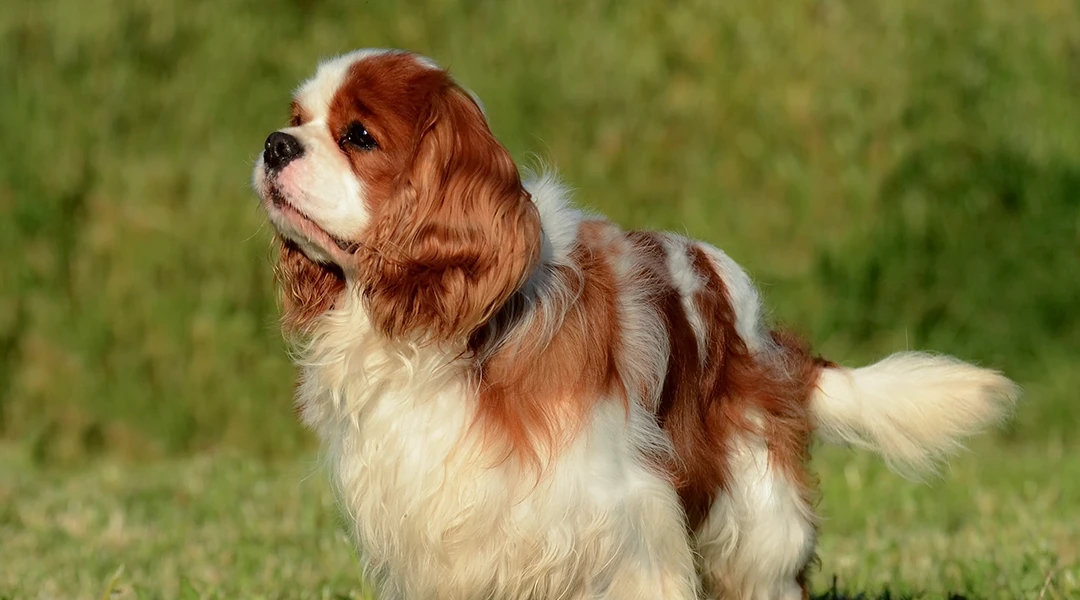
One of its most characteristic features is its sweet and kind expression, marked by large, dark and very expressive eyes that constantly transmit attention and affection. Its ears, long and covered with silky hair, frame the face and reinforce that image so characteristic of the breed. In addition, its coat is soft, medium-length and slightly wavy, which gives it a well-groomed appearance even naturally.
In terms of colors, there are four recognized varieties: Blenheim (white with brown spots), Tricolor (white, black and tan), Ruby (solid red) and Black & Tan (black with fire markings). Overall, its aesthetics combine elegance and naturalness, something that fits perfectly with its historical function as a companion dog.

Personality and behavior
If there’s one thing that really defines the Cavalier, it’s his character. It is an extremely affectionate, sociable and balanced dog, which especially enjoys human company. Unlike other, more independent breeds, the Cavalier tends to constantly seek contact, making it an ideal companion for people who spend time at home or who want a very close bond with their dog.
In addition, it usually gets along very well with both children and other dogs, which facilitates their integration into family environments or dog daycares. Its adaptable character allows it to live comfortably in flats, as long as it has its daily walks and moments of stimulation. He is not an overly active dog, but he does need routines that include moderate exercise and play.
On the other hand, its sensitivity makes it respond especially well to positive education, being a generally easy breed to handle. This combination of gentleness, sociability, and adaptability explains why the Cavalier is one of the most recommended breeds as a companion dog.
Cavalier main care
Although the Cavalier King Charles Spaniel is a relatively easy breed to care for, it is important to pay attention to certain aspects to ensure its long-term well-being. First, their coat requires regular maintenance through frequent brushing, which helps to prevent knots and maintain its smooth and shiny texture.
In addition, their long ears require regular check-ups, as they can accumulate moisture and dirt, favoring the appearance of infections. Similarly, the eyes, being large and prominent, should be cleaned with some frequency to avoid irritation.
As for their activity, although they do not need intense exercise, it is essential to provide them with daily walks and moments of play that allow them to stay active both physically and mentally. On a nutritional level, it is advisable to offer them a balanced diet adapted to their size and specific needs.
Finally, it is especially important to carry out regular veterinary check-ups. This breed may have a certain predisposition to heart problems, such as mitral valve disease, as well as eye pathologies. Proper monitoring will allow any problem to be detected in time and improve their quality of life.
Curiosities about the Cavalier
The Cavalier King Charles Spaniel is a breed with many interesting details that explain its popularity:
- It was one of the favorite dogs of English royalty for centuries.
- Its name refers directly to King Charles II.
- It is one of the most used breeds as a therapy dog due to its calm and affectionate character.
- Despite its delicate appearance, it retains hunting instincts typical of spaniels.
- Their facial expression has been described as one of the most “humane” among dog breeds.
- It appears in numerous classical European paintings, especially in aristocratic portraits.
- It is a breed especially sensitive to the emotional state of its guardians.
- It adapts very well to city life, as long as it has enough company.
An ideal companion for everyday use
In short, the Cavalier King Charles Spaniel is much more than just a cute dog. Its history, its character and its ability to adapt make it an exceptional companion for everyday life. Whether with the family, as a couple or as a companion dog, it stands out for its ease of integration into different lifestyles.
With proper care, a balanced routine, and attention to his health, this dog can offer years of companionship, affection, and unforgettable moments. At UpDog, we understand the specific needs of each breed and work to offer tailored services that ensure their well-being at all stages of their life.
